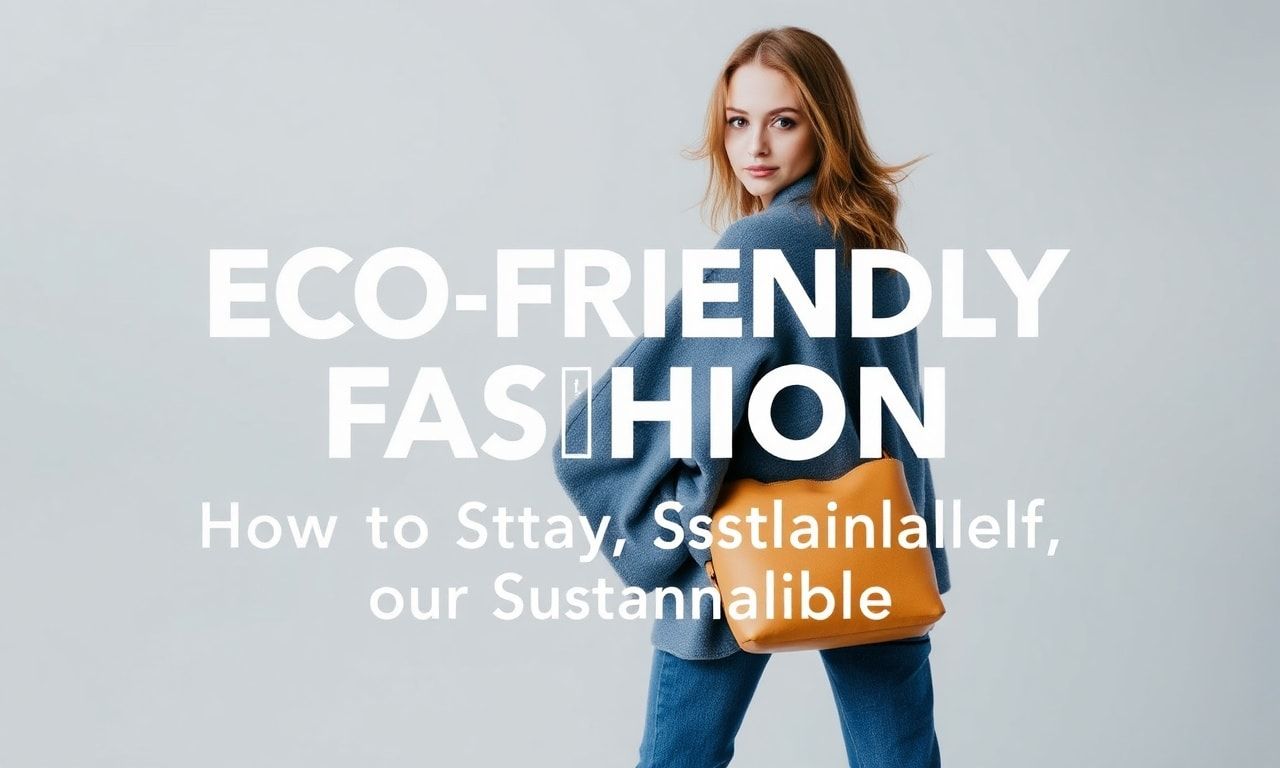
The Rise of Eco-Friendly Fashion
The fashion industry is undergoing a significant transformation, with sustainability and eco-friendliness taking center stage. Consumers are becoming more conscious of their environmental impact, and this shift is reflected in their purchasing decisions. Eco-friendly fashion is no longer just a trend; it's a movement that's here to stay. Brands are increasingly adopting sustainable practices, from using organic materials to reducing waste in production processes. This shift is not only beneficial for the planet but also for the consumers who are looking for stylish, high-quality, and sustainable options.
The Importance of Sustainable Materials
One of the key aspects of eco-friendly fashion is the use of sustainable materials. Organic cotton, bamboo, hemp, and recycled fabrics are just a few examples of materials that are gaining popularity. These materials are not only better for the environment but also offer unique textures and qualities that can enhance the overall look and feel of the clothing. For instance, organic cotton is softer and more durable than conventional cotton, making it a great choice for everyday wear. Bamboo fabric, on the other hand, is naturally moisture-wicking and antibacterial, making it ideal for activewear. By choosing clothing made from sustainable materials, you can enjoy both style and comfort while minimizing your environmental footprint.
In addition to the materials used, the production process also plays a crucial role in determining the sustainability of a fashion item. Brands that prioritize eco-friendly practices often use methods that reduce water consumption, minimize chemical use, and lower carbon emissions. For instance, some companies are turning to innovative technologies like waterless dyeing and solar-powered manufacturing to reduce their environmental impact. By supporting these brands, you can contribute to a more sustainable fashion industry and help promote positive change.
The Role of Fast Fashion in Environmental Degradation
Fast fashion, characterized by its rapid production cycles and low-cost, disposable clothing, has been a major contributor to environmental degradation. The constant demand for new styles and trends has led to excessive waste, pollution, and resource depletion. According to recent reports, the fashion industry is responsible for about 10% of global carbon emissions and is the second-largest consumer of the world's water supply. The environmental impact of fast fashion is a growing concern, and many consumers are now seeking alternatives that align with their values. By choosing sustainable fashion, you can help reduce the demand for fast fashion and support a more responsible and ethical industry.
For those interested in staying informed about environmental issues and sustainable practices, resources like son dakika çevre haberleri provide up-to-date news and insights. Staying informed can help you make more conscious decisions and support brands that are committed to sustainability.
Styling Tips for an Eco-Friendly Wardrobe
Building an eco-friendly wardrobe doesn't mean sacrificing style or variety. With a few simple tips, you can create a fashionable and sustainable wardrobe that reflects your personal style. The first step is to focus on quality over quantity. Invest in timeless, high-quality pieces that will last for years, rather than opting for cheap, disposable fashion. Look for brands that prioritize sustainability and ethical practices, and choose items that can be easily mixed and matched to create multiple outfits.
Another key tip is to embrace a capsule wardrobe. A capsule wardrobe consists of a small collection of versatile, interchangeable pieces that can be worn in various combinations. This approach not only simplifies your wardrobe but also reduces the need for constant shopping. By focusing on a few key pieces, you can create a cohesive and stylish wardrobe that is both sustainable and practical.
Thrifting and Upcycling
Thrifting and upcycling are excellent ways to add unique, sustainable pieces to your wardrobe. Thrift stores, consignment shops, and online marketplaces offer a wide range of second-hand clothing at affordable prices. By choosing pre-loved items, you can reduce waste and support a circular economy. Additionally, upcycling allows you to transform old or unwanted clothing into new, stylish pieces. With a little creativity and some basic sewing skills, you can give new life to old garments and create one-of-a-kind items that reflect your personal style.
The Future of Eco-Friendly Fashion
The future of eco-friendly fashion looks promising, with more brands and consumers embracing sustainable practices. Innovations in materials, production processes, and technology are paving the way for a more sustainable and responsible fashion industry. From biodegradable fabrics to 3D-printed clothing, the possibilities are endless. As consumers continue to demand transparency and sustainability, brands will be forced to adapt and prioritize eco-friendly practices. By supporting these brands and making conscious choices, you can help shape the future of fashion and contribute to a healthier planet.
In conclusion, eco-friendly fashion is not just a trend; it's a necessary shift towards a more sustainable and responsible industry. By choosing sustainable materials, supporting ethical brands, and embracing thrifting and upcycling, you can create a stylish and eco-friendly wardrobe. Stay informed about environmental issues and make conscious decisions that align with your values. Together, we can promote positive change and build a better future for fashion.