Embracing Sustainability in Fashion
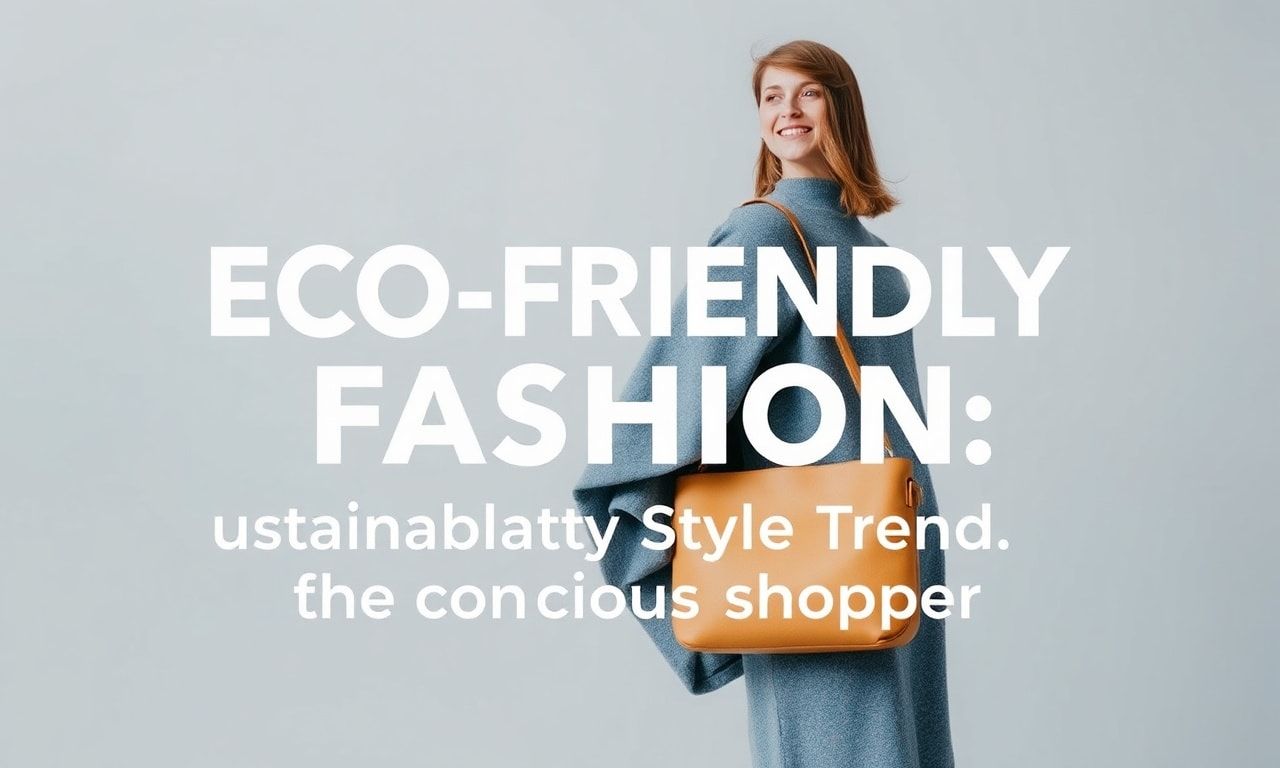
The fashion industry is undergoing a significant transformation, with sustainability taking center stage. As consumers become more environmentally conscious, there is a growing demand for eco-friendly fashion that not only looks good but also does good for the planet. This shift towards sustainable style is not just a trend; it’s a movement that is here to stay. From clothing to accessories, the fashion world is embracing innovative materials and ethical practices to reduce its environmental footprint.
The Rise of Eco-Friendly Materials
One of the most exciting developments in sustainable fashion is the use of eco-friendly materials. Designers are increasingly turning to organic cotton, hemp, and recycled fabrics to create stylish and durable garments. These materials not only reduce the environmental impact but also offer unique textures and qualities that add a distinctive touch to your wardrobe. Additionally, the use of natural dyes and non-toxic chemicals in the production process ensures that the clothing is safe for both the wearer and the environment.
Innovative Fabrics and Techniques
The fashion industry is constantly evolving, and innovative fabrics and techniques are at the forefront of this change. For instance, the use of plant-based materials like pineapple leaves (Piñatex) and mushroom leather (Mylo) is gaining popularity. These materials provide a sustainable alternative to traditional leather and synthetic fabrics. Furthermore, advancements in textile recycling and upcycling are allowing designers to create beautiful garments from discarded materials, reducing waste and promoting a circular economy.
The Role of Ethical Fashion Brands
Ethical fashion brands are leading the way in sustainable style. These brands prioritize fair labor practices, eco-friendly materials, and transparent supply chains. By supporting ethical fashion brands, consumers can make a positive impact on the environment and the lives of workers in the fashion industry. Many of these brands also focus on creating timeless, high-quality pieces that are designed to last, encouraging a shift away from fast fashion and towards a more mindful approach to consumption.
How to Identify Ethical Fashion Brands
When shopping for sustainable fashion, it’s essential to know how to identify ethical brands. Look for certifications such as Fair Trade, GOTS (Global Organic Textile Standard), and OEKO-TEX, which ensure that the products meet specific environmental and social standards. Additionally, research the brand’s supply chain and labor practices to ensure they align with your values. Many ethical brands also provide detailed information about their production processes and the materials they use, making it easier for consumers to make informed decisions.
Sustainable Style Tips for Every Wardrobe
Incorporating sustainable fashion into your wardrobe doesn’t have to be complicated. Start by investing in high-quality, versatile pieces that can be mixed and matched to create multiple outfits. Opt for timeless styles that will remain fashionable for years to come, rather than following fleeting trends. Additionally, consider the environmental impact of your laundry habits. Washing clothes in cold water, air-drying garments, and using eco-friendly detergents can significantly reduce your carbon footprint.
The Art of Capsule Wardrobes
Creating a capsule wardrobe is an excellent way to embrace sustainable fashion. A capsule wardrobe consists of a curated collection of essential pieces that can be easily combined to create a variety of outfits. This approach not only simplifies your wardrobe but also reduces the need for excessive shopping. By focusing on quality over quantity, you can build a wardrobe that is both stylish and sustainable. Consider incorporating pieces made from organic cotton, hemp, or other eco-friendly materials to further enhance the sustainability of your capsule wardrobe.
Beauty and Sustainability
Sustainability extends beyond clothing to include beauty and personal care products. Many beauty brands are now offering eco-friendly alternatives that are free from harmful chemicals and packaged in recyclable or biodegradable materials. From organic skincare to natural makeup, there are countless options for those looking to reduce their environmental impact without compromising on style. Additionally, incorporating sustainable practices into your beauty routine, such as using reusable cotton pads and bamboo toothbrushes, can make a significant difference.
DIY Beauty and Composting
For those interested in taking sustainability a step further, DIY beauty products offer a fun and eco-friendly alternative to commercial products. Many natural ingredients, such as chia seeds, can be used to create nourishing face masks and scrubs. If you’re interested in chia seed farming for composting, you can even grow your own ingredients for a truly sustainable beauty routine. By incorporating these practices into your daily life, you can reduce waste and promote a healthier, more sustainable lifestyle.
Conclusion
Sustainable fashion is more than just a trend; it’s a necessary shift towards a more responsible and ethical approach to style. By embracing eco-friendly materials, supporting ethical brands, and adopting sustainable practices, we can all contribute to a healthier planet. Whether you’re building a capsule wardrobe, exploring DIY beauty, or simply making more conscious shopping choices, every small step counts. Together, we can create a fashion industry that is not only stylish but also sustainable for future generations.
If you enjoyed this article, we recommend checking out The Intersection of Fashion and Sustainability: for further reading.