

6 min read · Updated: 2026-10-12
When you search for online obituaries examples, you’re not just looking for words you can reuse. You’re seeking a respectful, concise frame that fits a fashion-minded reader’s sensibility: clarity, tone, and usefulness. This guide walks you through practical steps you can apply to any obituary page, with an eye on how memory can intersect with personal style.
Throughout, you’ll see concrete actions you can take—how to verify sources, how to record key details, and how to adapt the information without losing respect or authenticity. The goal isn’t sentimentality alone but a calm, stylish approach that supports thoughtful remembrance and informed decisions about reading or sharing.
By the end, you’ll know how to locate reliable examples, assess their tone, and apply those insights to how you present or reference memorial notices in your own fashion-forward life, online and in print.
- This guide helps you find reliable online obituary examples with a focus on tone, sourcing, and readability.
- You’ll learn to spot concise, well-structured notices and understand why layout matters for quick comprehension.
- Use these insights to reference memorial notices gracefully in fashion writing or personal projects without compromising respect.
Basics of finding examples
Source credibility
Start with reputable cemetery and newspaper sites that host obituaries, then expand to memorial organizations. Look for clearly stated dates, sources, and a neutral tone that avoids florid language. A reliable page will show where the notice came from and who posted it. online obituaries in Aberdeen are often hosted by local newspapers or funeral homes, and they reflect common formatting and tone.
Verify the obituary’s authorship by cross-checking with the original publication or family announcements. If the text feels generic or promotional, it’s a sign to seek another example. This helps you learn what a well-written notice resembles and what to avoid when you’re sharing or referencing one.
When evaluating tone, note whether the language respects the deceased and family. Prefer concise summaries over lengthy paragraphs, and watch for disclaimers about privacy or corrections to ensure accuracy. A solid example models balance between detail and dignity.
- Check source origin
- Look for dates and names
- Avoid sensational language
- Note privacy notices
- Confirm author or publisher
How to spot useful examples

Practical content cues
Identify examples that include birth and death dates, a concise biography, and a reading of survivors. These elements help you understand what readers find useful when they skim notices. Aberdeen News headlines offer quick dailies that can hint at how notices are framed in a regional context.
- ☐ Confirm source credibility
- ☐ Record key facts (name, dates)
- ☐ Check for privacy notes
- ☐ Assess tone and readability
Look for a clean layout: the obituary should be legible, with scannable sections and consistent fonts. A well-structured page makes it easy to extract names, dates, and key details quickly.
Note how the text handles sensitive topics like illness or causes of death. Prefer notices that keep such details minimal unless the family has indicated openness to sharing more.
- Birth/death dates
- Concise bio
- Clear survivors list
- Accessible layout
- Sensitivity to details
Where to find examples
Public vs family pages
Public memorial pages from libraries, newspapers, and official memorial societies often provide consistently formatted examples. They’re useful as a baseline for tone and structure. post your event in Aberdeen is a way to place a formal notice in local channels if you need to share memorial details with a broader audience.
Family pages can be more personal and varied; use them to study how authors balance sentiment with factual content. When examining these, note whether the page allows edits or updates after publication.
Consider how design supports remembrance—photographs, quotes, and memorial notes can influence how readers perceive the notice and how you might present similar content in a fashion context.
- Public sources
- Family pages
- Editability
- Memorial design features
| Option | Pros | Cons |
|---|---|---|
| Public obituary pages | Widely accessible; vetted language | May have restricted edits; formal tone |
| Family memorial pages | Personalized content; intimate tone | Less standardized; privacy controls |
| Library or newspaper archives | Reliable formats; clear citations | May be harder to navigate for casual readers |
If you’re posting yourself, pick a tone that matches your brand voice—clear, respectful, and concise.
Options for posting or referencing
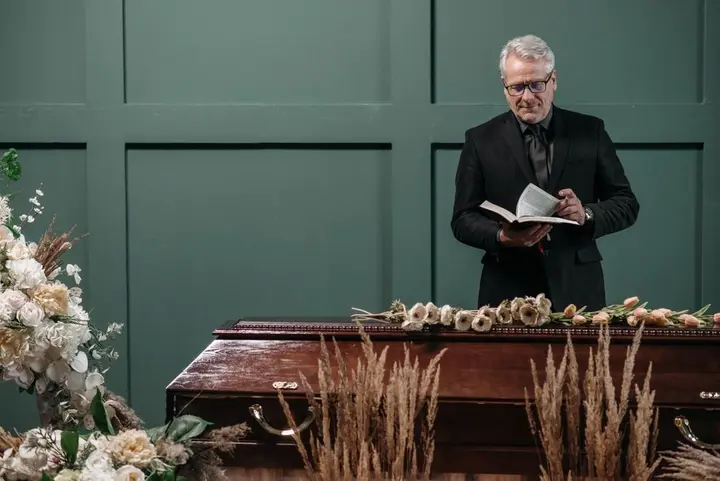
Choosing a platform thoughtfully
Begin by choosing where to post or reference obituaries so readers can find them easily. Consider a balance between formal memorial pages and more casual blog-style notes that fit fashion readers. This helps ensure the memory is accessible without feeling distant or clinical. get your business listed in Aberdeen can help local services connect with readers who search for memorial resources and support.
If you’re posting yourself, pick a tone that matches your brand voice—clear, respectful, and concise. Include essential details like dates and location so readers can understand the context. Use a simple format that won’t distract from the memory itself.
You can link to traditional obituary sites or local community pages that allow short memorials. Keep your message brief and focused on the personal style or flair the person brought to fashion.
- Choose a platform with clear search visibility
- Offer a short tribute rather than a long narrative
- Provide practical details readers may want to know
- Ensure the tone stays respectful and tasteful
Pitfalls to avoid
Common pitfalls in memorial posts
Memorial posts can drift into rumor or overly sentimental language. Stick to verified facts and a simple, respectful tone. Readers appreciate clarity over elaborate storytelling. local job listings in Aberdeen
Avoid listing every achievement or personal detail that isn’t essential to memory or fashion context. Keep things tight, so the memory feels intentional rather than perfunctory.
Be mindful of copyright or privacy when sharing images or quotes. Use permissions and cite sources, and prefer neutral, non-intrusive visuals that honor the person.
- Stick to verifiable facts
- Keep tone concise and respectful
- Obtain permissions for images or quotes
- Avoid over-sharing personal details
Practical tips for readers

Reading obituaries like a stylist
Read obituaries with an eye for how the person influenced style. Note references to colors, silhouettes, or accessories that mattered to them. This helps connect memory with fashion moments rather than abstract life events.
Identify practical facts readers might want: where the person lived, how long they worked in fashion, or any collaborations that left a mark. This makes the tribute feel grounded and relevant.
Use a consistent, readable format for obituaries you reference. A short paragraph followed by a bullet list of key fashion milestones makes the memory easy to revisit.
- Look for style cues in every memory
- Include location and era if relevant
- Maintain a clean, skimmable layout
- Respect privacy and sensitivity
Creative takes for style-oriented readers
Fashion-forward memorial notes
A memorial note can weave color palettes, fabrics, and silhouettes into a narrative. Describe outfits or looks that reflected the person’s taste, then tie them to a memory.
Offer a stylist’s framing: what a reader might wear to a memorial event, or how a fashion-minded community can honor someone with a curated virtual lookbook. This gives readers tangible takeaways.
End with a practical prompt: suggest creating a small, shareable memory post that others can emulate in their own style, pairing a photo with a short caption.
- Describe style without overshadowing the memory
- Provide actionable fashion-related ideas for readers
- Encourage shareable, respectful posts
- Close with a simple, doable prompt
Frequently asked questions
What makes an obituary useful for fashion readers?
A useful obituary for fashion readers highlights the person’s signature looks, color choices, and the era that shaped their work. It should be concise, clearly sourced, and easy to skim for memory cues.
How long should an obituary note be on a fashion site?
Aim for a short, focused paragraph or two, followed by one or two bullet highlights. The goal is to be informative without turning the post into a long essay.
Can images be included in obituary posts?
Yes, with proper permissions. Use neutral, respectful images that illustrate style moments rather than sensational photography.
Where can I find reliable obituary examples for reference?
Look for well-known community or magazine memorials that present short, fact-based notes and links to additional context.
Takeaways and next steps
A clear obituary on a fashion site honors memory and style without sacrificing readability or tone. Keep it concise, factual, and connected to fashion moments that readers can relate to.
Readers are encouraged to craft a small, shareable memory post that others can replicate—pair a photo with a short caption and invite comments to keep the memory alive.


