

16 min read · Updated: 2026-11-28
Athletic apparel is clothing designed for exercise and active movement, including tops, shorts, leggings, outer layers and sports bras. The right pieces help you stay comfortable through a workout by managing moisture, allowing movement and matching the conditions. Many styles also work for errands or casual wear, so consider both activity and everyday comfort when choosing.
Start with what you plan to do and where you will do it. A breathable shirt and flexible shorts may suit a warm gym, while a lightweight layer can help for an outdoor run in changing weather.
Before ordering, check the fabric description, size chart and garment details such as inseam or waistband. These small checks make it easier to find sportswear that feels comfortable during movement and fits your everyday routine.
- Athletic apparel includes tops, bottoms, layers and sports bras designed for movement or active everyday wear.
- Choose clothing for your activity, conditions and preferred coverage.
- Compare fabric, fit details and garment measurements before ordering.
- Check care instructions, shipping availability and return conditions.
What Athletic Apparel Includes
Core Clothing Pieces
Athletic apparel covers clothing made for exercise, from base layers to outerwear. Common pieces include T-shirts, tanks, shorts, leggings, joggers, sports bras, hoodies and jackets. Some garments are designed around a specific activity, while others are flexible enough for training, walking or casual use.
Choose pieces according to how they will be used, rather than assuming every item labeled sportswear serves the same purpose. A close-fitting top can reduce loose fabric during a run, while relaxed joggers may feel more comfortable for warm-ups or travel. Pairing a breathable shirt with a removable layer also makes temperature changes easier to manage.
Everyday athletic clothing often shares features with workout gear, but it may prioritize casual styling or a softer feel. A sweatshirt and track pants can suit errands as well as a trip to the gym, while technical leggings may be better suited to repeated movement. Check the product description to understand the intended use.
Purpose Built Details
Details such as stretch panels, flat seams and adjustable waistbands can make athletic clothing more comfortable in motion. A gusseted panel, for example, can give shorts or leggings extra room when you bend or stride. These features matter most when they address a movement you regularly make.
Moisture-managing fabrics can help move perspiration away from the skin, while mesh panels may improve airflow in warmer areas. These features do not guarantee that a garment will feel cool in every condition, so consider the fabric weight and garment coverage. A thin sleeveless top and a lined jacket serve different needs.
Pockets, cuffs and closures also affect everyday usefulness. A secure pocket can hold a key during a walk, while a zipper makes a layer easier to remove after warming up. Check where these details sit and whether they could rub, bounce or interfere with the activity you have in mind.
- Look for stretch where your activity needs freedom of movement.
- Check seams and labels for potential rubbing.
- Choose pockets and closures that suit how you carry essentials.
How to Choose Apparel for Your Activity
Match Gear to Movement
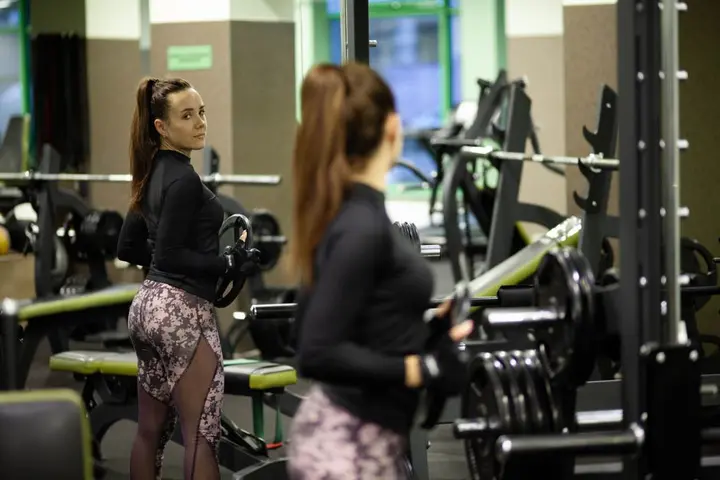
Begin by matching the garment to the motions and setting of your activity. Running usually calls for clothing that stays in place and does not chafe, while strength training benefits from fabric that allows deep bends and reaches. For a low-impact walk, comfort and weather coverage may matter more than a close fit.
Consider duration and conditions as well as the activity name. A short indoor session may need only a breathable top and comfortable bottoms, whereas a longer outdoor workout can call for a removable layer. If you move between warm and cool spaces, layers that are easy to take off can keep clothing choices practical.
Think about what you need to carry and how much coverage feels comfortable. Shorts may feel less restrictive in warm weather, while leggings offer more coverage for cooler days or floor exercises. If your workout includes equipment or repeated contact with a mat, avoid details that press uncomfortably against your skin.
- Running: choose a secure fit and reduce rubbing points.
- Strength training: allow full bends, squats and overhead reaches.
- Outdoor exercise: plan for changing temperatures with removable layers.
Build a Useful Outfit
A practical workout outfit starts with a comfortable base layer and adds coverage only where conditions call for it. For example, a breathable top and flexible bottoms can work indoors, while a light jacket can make the same outfit more adaptable outside. Choose pieces that work together without restricting your stride or range of motion.
For everyday wear, balance athletic function with the fit and appearance you prefer. A soft sweatshirt or track pants can feel at home away from training, but a garment with technical details may be more useful for exercise. Check whether the fabric, cut and pockets suit both the activity and the rest of your day.
Try the outfit through a few movements before committing to it, if you can. Raise your arms, bend, sit and take a long step to see whether hems ride up or waistbands shift. When ordering online, use the product measurements and return information to make a careful choice if an in-person fit check is not possible.
Fabrics and Fits for Different Workouts
Choose Fabric by Feel
Fabric choice affects breathability, stretch, warmth and how a garment feels against your skin. Lightweight synthetic blends are common in workout clothing because they can stretch and dry more readily than many heavy fabrics. Cotton can feel soft for casual wear, but a cotton garment may stay damp during a sweaty session.
- Lightweight, stretchy fabrics can suit active workouts.
- Cotton often feels soft but may stay damp when sweaty.
- Check lining and garment weight, not just the fabric label.
Look beyond a fabric name and check how the whole garment is constructed. A lined short may feel warmer than an unlined one, and a dense knit can offer more coverage than a thin jersey. Product descriptions that explain stretch, lining or ventilation can help you compare options before ordering.
Your comfort preferences matter as much as the fabric’s intended performance. Some people prefer smooth, close-fitting material, while others want a softer texture or more airflow. If you are sensitive to seams or labels, inspect product details and choose a construction that is less likely to distract you during movement.
| Option | Useful for | Check before choosing |
|---|---|---|
| Lightweight synthetic blend | Sweaty or active workouts | Stretch and airflow |
| Cotton | Soft casual wear | How it feels when damp |
| Close-fitting leggings | Training and floor work | Waistband comfort and coverage |
| Relaxed shorts | Warm-weather movement | Inseam and secure fit |
Find a Comfortable Fit
A good fit stays in place without pinching, pulling or limiting your movements. Tops should allow you to reach overhead without the hem constantly riding up, and bottoms should remain secure when you bend or stride. For leggings, check whether the waistband feels stable without pressing uncomfortably into your middle.
Use the size chart as a starting point, then compare garment measurements with clothing you already like. A relaxed cut and a compression fit are designed to feel different, so do not assume the same size will feel identical across styles. Pay attention to notes about stretch, intended fit and model sizing when provided.
Details such as inseam, rise and sleeve length can change how a garment feels in use. A longer inseam may offer more coverage, while a shorter one can feel cooler for warm-weather training. If you are between sizes, consider whether you prefer a closer or looser fit and check the retailer’s exchange policy before ordering.
- Check the size chart against a garment you already own.
- Consider inseam, rise and sleeve length for coverage.
- Confirm the exchange policy if you are unsure between sizes.
Use product photos to inspect visible features, but do not rely on images alone to judge fabric weight or stretch.
Finding Sportswear from Online Retailers

Read Product Details Carefully
A clear product page helps you judge whether sportswear suits your activity before you order. Retailers who want to make their sportswear easier to find online may use Seo Services to improve how product information appears in search. For shoppers, the useful details are fabric composition, fit, garment measurements, care instructions and information about lining or pockets.
- Choosing by photos alone; check fabric, measurements and construction details.
- Ignoring the fit description; compare the stated cut with your preferred fit.
- Skipping care and return details; review both before placing an order.
Use product photos to inspect visible features, but do not rely on images alone to judge fabric weight or stretch. Look for views from different angles and details that show seams, waistbands or closures. If a description leaves a practical question unanswered, such as whether shorts have a liner, check whether customer support can clarify it.
Compare similar garments by the needs they meet rather than by appearance alone. A lightweight layer, for instance, may be preferable for changeable outdoor conditions, while a soft sweatshirt may better suit warm-ups and casual use. Read the materials and fit notes side by side so the differences are easy to identify.
Check Ordering and Care
Before placing an order, confirm the available size, color and delivery options for your location. International shoppers should check whether the retailer ships to their country and review any applicable delivery or return conditions. These details can affect whether a purchase is convenient to receive or exchange.
Read care instructions before choosing performance fabrics or garments with special construction. Some pieces may need a gentle wash or a particular drying method to maintain their feel and shape. Following the label helps you care for the item properly and avoid damage from heat or rough treatment.
Keep the product name and order details until you have tried the garment through ordinary movement. If the fit does not work, use the retailer’s stated return or exchange process and follow its timing and condition requirements. A quick try-on at home can reveal waistband pressure, sleeve length or fabric feel before you remove tags.
- Confirm shipping availability and return conditions for your location.
- Read garment care instructions before washing.
- Try the item at home while keeping its tags and packaging.
Common Fit and Care Mistakes to Avoid
Check Fit in Motion
Test sportswear with the movements you expect to make, rather than judging it only while standing still. Raise your arms, bend your knees, and take a few steps to spot hems that ride up, waistbands that roll, or seams that rub. A comfortable fit should let you move freely without constant adjusting.
- ☐ Raise your arms to check that the top stays in place.
- ☐ Bend your knees to test waistband comfort and coverage.
- ☐ Walk a few steps to notice rubbing or shifting seams.
- ☐ Compare garment measurements with a comfortable item you own.
Sizing labels vary between garments, so compare the item’s measurements with a piece you already find comfortable. If you are between sizes, consider the activity: a close fit may suit a base layer, while a relaxed cut can feel better for casual wear. Check the retailer’s measurement guide before ordering.
Pay attention to pressure and coverage as well as looseness. Tight cuffs or waistbands can distract during exercise, but oversized sleeves may catch on equipment or bunch beneath a jacket. For leggings and shorts, try a squat or a deep bend to check that the fabric stays opaque and the waistband remains secure.
Wash and Dry With Care
Follow the care label before washing performance clothing, because heat and rough treatment can affect stretch, shape, and surface finishes. Turn garments inside out, fasten zippers, and separate them from items with hooks or rough trims. These small steps help reduce snags and friction during a wash.
Use a mild detergent and avoid fabric softener unless the garment’s instructions allow it. Softener can leave a coating on some technical fabrics, which may affect how they handle moisture. Wash sweaty pieces soon after use when possible, or let them air out before placing them in a laundry basket.
Air-drying is a sensible default for stretchy sportswear, especially when the care label warns against high heat. If you use a dryer, follow the garment’s instructions and choose a gentle setting where permitted. Store clean clothes fully dry to help prevent musty odors, and check seams and elastic periodically for wear.
How Retailers Help Shoppers Find the Right Gear

Use Product Details Well
Product pages are most useful when you compare their details with your activity and fit preferences. Look for fabric composition, garment measurements, care instructions, and whether the cut is described as fitted or relaxed. A retailer’s size chart can help you compare a familiar measurement, such as chest or waist, with the garment.
Photos show styling, but written descriptions can answer practical questions that images cannot. Check whether a top has a longer hem, whether shorts include a liner, or whether a jacket has pockets. Businesses serving Leicester shoppers can explore Leicester Seo Services to help local customers discover relevant apparel and store details.
When information is missing, contact customer support before placing an order, especially if you are choosing between sizes. Ask a specific question, such as whether a waistband is adjustable or whether a layer is designed to fit over another garment. Clear answers can make it easier to choose confidently and avoid an unsuitable purchase.
Compare Service Before Ordering
Check delivery coverage, estimated dispatch information, and return conditions before you order sportswear online. These details matter when sizing is uncertain or you need an item for a particular activity. For international shoppers, confirm whether the retailer ships to your destination and review any extra steps described for returns.
Read size guidance and product information across similar items instead of assuming every garment from a retailer fits alike. Different cuts and fabric blends can feel different, even when the size label matches. Customer reviews may offer useful context about fit, but treat individual experiences as guidance rather than a guarantee.
A well-organized online shop makes it easier to narrow choices by category, activity, size, or garment type. Use filters to create a manageable shortlist, then check the details on each product page. If a site offers a contact option, save your questions and ask them together before deciding which pieces suit your needs.
- Confirm shipping to your destination.
- Read return conditions before checkout.
- Compare garment measurements with the size chart.
- Ask support about unclear fit details.
Tips for Building a Versatile Sportswear Wardrobe
Start With Useful Basics
Build a useful sportswear wardrobe around the activities you do regularly, not around a long list of possible purchases. Begin with comfortable tops, bottoms, and layers that work for your usual sessions. Businesses with several staffed store locations may use Local Seo Services to keep store information consistent for shoppers.
- List the activities you do regularly.
- Choose comfortable tops and bottoms for those activities.
- Add a layer suited to your usual conditions.
- Fill specific gaps only after checking what you already own.
Choose colors and shapes that work together so a small group of garments can make several practical outfits. A neutral top, for example, may pair with different shorts or joggers, while a lightweight layer can extend its use in cooler conditions. Prioritize pieces you can wear often over specialized items you rarely need.
Consider how frequently each item will be worn and how easily it fits into your laundry routine. A versatile base layer or pair of training shorts can serve several sessions, while a garment designed for one narrow purpose may have fewer opportunities for use. Replace items when fit, comfort, or condition starts to interfere with wearing them.
Choose Pieces That Coordinate
A versatile wardrobe works best when garments can be layered and combined without restricting movement. Match a breathable top with a comfortable bottom, then add a light jacket or sweatshirt when conditions call for more coverage. Check that layers fit smoothly together and do not bunch at the shoulders, waist, or elbows.
Think about transitions between activities when selecting colors, cuts, and details. A simple training shirt and joggers may suit a workout and ordinary errands, while a technical layer can be removed afterward. Choose designs that feel appropriate in both settings, rather than relying on one garment to serve every purpose.
Keep a brief note of what you actually wear over a few weeks, including items that stay unused. Repeated choices reveal which fabrics, cuts, and colors work in your routine. Use that information to guide future purchases, and avoid buying near-duplicates unless the existing piece needs replacing or you need another for laundry rotation.
- Favor colors that pair with several items.
- Check that layers move comfortably together.
- Choose designs suited to your usual settings.
Choosing Apparel That Works Beyond the Gym
Balance Comfort and Everyday Style
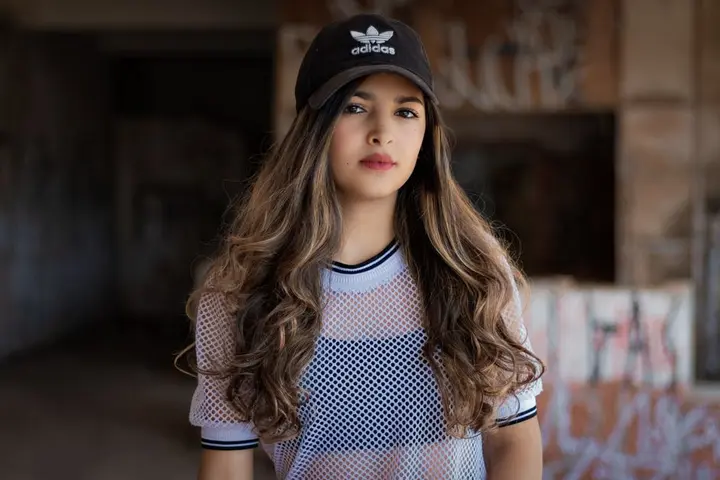
For everyday wear, choose athletic apparel that feels comfortable for the whole day as well as during movement. Soft fabrics, a familiar fit, and practical pockets can make a piece easier to wear outside a workout. Consider the setting too: simple colors and clean lines often combine readily with everyday layers.
A garment that works well for exercise may need different features for errands or travel. A breathable training top can be comfortable on a warm walk, while a sweatshirt or jogger may provide useful coverage during a relaxed day. Check how the item feels when sitting, walking, and carrying the things you normally take with you.
Avoid assuming that every technical feature is automatically useful in ordinary settings. Reflective details, close compression, or a very light fabric may suit a specific workout but feel less suitable for your daily routine. Select features according to where and how you expect to wear the garment, and check the care label before making it a frequent choice.
Layer for Changing Conditions
Use layers to adapt sportswear to changing temperatures without buying a separate outfit for every condition. A breathable base layer, a comfortable mid-layer, and a light outer layer can be added or removed as needed. Choose pieces that fit together without pulling at the shoulders or restricting your arms.
Match the layer to the conditions and the activity rather than dressing by habit. A lightweight jacket may help on a breezy walk, while a sweatshirt can provide warmth before or after exercise. If you expect to carry an outer layer, look for a piece that is easy to remove and manage.
Try a complete outfit at home before relying on it for a full day out. Walk, sit, and reach in each layer to notice bunching, overheating, or exposed areas. Adjust the combination until it feels comfortable across the settings you expect, then use the same approach when deciding whether a new garment will earn regular wear.
Frequently asked questions
Can I wear the same sportswear for different workouts?
Often, yes, if the garment suits the movement, coverage, and comfort needs of each activity. A breathable top may work for walking and gym training, while a particular sport may call for more support, coverage, or freedom of movement. Check for rubbing, shifting, and restrictions during the actual motions you expect to make.
How can I tell if sportswear is too tight?
Notice whether the garment pinches, leaves uncomfortable pressure, restricts breathing, or limits your range of motion. Move through a squat, reach overhead, and walk a few steps to see whether seams or waistbands dig in. Close-fitting apparel can still feel comfortable, but it should not require constant adjustment or make movement difficult.
Should I size up when buying athletic apparel online?
Not automatically. Compare your measurements with the retailer’s size chart and consider the intended cut, since fitted and relaxed garments are designed to sit differently. If you are between sizes, think about how you will wear the piece and check its return conditions. Contact support when a product page does not clarify its fit.
How should I pack sportswear for a trip?
Choose pieces that coordinate and match the activities you expect to do, then plan layers for the conditions at your destination. Check garment care instructions so you know how to wash and dry items while away. Packing a small, practical rotation can help you avoid bringing specialized clothes that will not suit your plans.
Make Sportswear Work for Your Routine
Good athletic apparel fits the activity, moves comfortably, and is easy to care for. Check measurements and product details before ordering, test garments in motion, and follow care labels to help preserve their shape. For everyday use, favor pieces that layer well and combine with clothes you already wear. A thoughtful wardrobe is built around what you will actually reach for.
Before your next purchase, identify the activity or everyday need the garment should serve, then compare its fit, fabric, and care requirements with your routine. Use the retailer’s size guide and ask support about details that remain unclear. Once it arrives, try it through a few movements before removing tags, so you can make a considered decision about whether it belongs in regular rotation.


