

16 min read · Updated: 2026-11-28
Clean Fresh Foam shoes by brushing off dry dirt, then wiping the upper and midsole with a soft cloth dampened in cool water and a little mild soap. Use a soft brush for stubborn marks, keep water away from soaking the shoe, and rinse soap residue with a clean damp cloth. Remove the insoles and laces, then air-dry everything away from direct heat.
Fresh Foam models can combine foam, mesh or knit fabric, rubber, and other materials, so check the care label and shoe construction before starting. Gentle cleaning helps avoid rough treatment that can distort the upper or affect the foam.
This checklist covers what to inspect, which tools to use, and how to wash and dry the shoes at home. Test your cleaning method on a small, inconspicuous area first, especially if the upper has delicate or different materials.
- Check the shoe’s materials and care guidance before cleaning.
- Brush off dry dirt, then use cool water, mild soap, and gentle tools for marks.
- Wipe away residue and let the shoes air-dry away from heat.
- Avoid soaking, abrasive cleaners, and forceful scrubbing.
What Fresh Foam Shoes Are Made Of
Identify Each Shoe Material
Check the product label or care information first, because Fresh Foam describes the cushioning rather than every material in the shoe. Many pairs combine a foam midsole with a mesh or knit upper, rubber outsole sections, fabric laces, and a removable insole. Each surface responds differently to moisture and brushing.
Mesh and knit uppers have small openings that can hold dust and soap, so use a soft brush and little water. Rubber is generally easier to wipe, but aggressive scrubbing can scuff its finish. The foam midsole may collect grime along its edges, where a damp cloth offers more control than soaking.
If you publish footwear-care advice, white label press release distribution may help you share that content under your own brand. For cleaning your own pair, focus on the materials actually present rather than assuming every Fresh Foam shoe has the same construction. A quick inspection guides the gentlest suitable method.
- Upper: identify mesh, knit, or overlays.
- Midsole: note exposed foam and seams.
- Outsole: check rubber sections and grooves.
- Insole and laces: see whether they can be removed.
Why Materials Need Different Care
Treat the upper, cushioning, and outsole as separate cleaning zones instead of applying one forceful method to the whole shoe. A brush that works on rubber grooves may snag knit fibers, while a saturated cloth can leave more water in mesh than the foam needs. Matching the tool to the surface limits unnecessary wear.
Stitched seams and glued joins deserve light pressure because repeated scrubbing can stress their edges. Keep cleaning solution mild and avoid solvents, bleach, and abrasive powders, which may discolor or weaken materials. If a mark remains after gentle cleaning, let the shoe dry before deciding whether another careful pass is appropriate.
The insole can absorb sweat and water, so remove it when the shoe design allows and clean it separately with a lightly damp cloth. Do not pull at bonded components or force a removable part free. Following the shoe’s care guidance takes priority when it gives more specific instructions.
What to Check Before You Clean
Inspect the Pair First
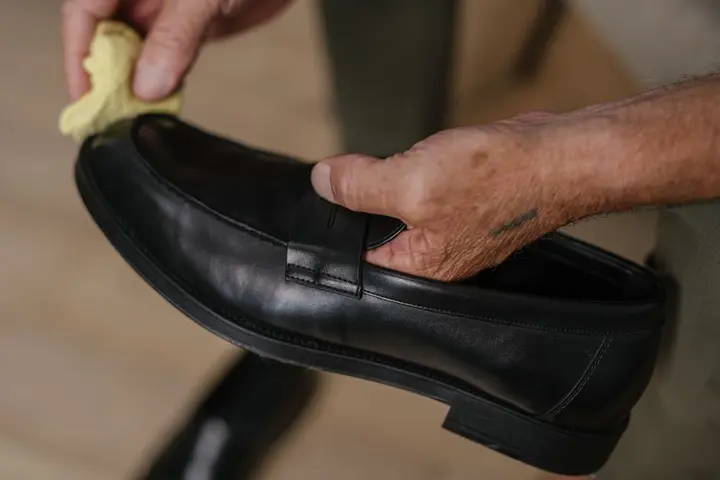
Look over both shoes in good light and note where dirt sits, whether stains are wet or dry, and which areas have delicate fabric. Check the care label or product guidance for restrictions before applying any cleaner. If you research how publishers place footwear-care content, a guest post marketplace can help you explore editorial opportunities.
Remove loose laces and insoles only if they come out without force, then check beneath them for grit or trapped moisture. Brush away dry debris before adding water, since rubbing damp dirt can spread it into mesh. A quick inspection also helps you spot a loose seam or damaged area that needs extra care.
Choose a small, hidden spot for a test, such as an inside edge of the upper. Apply a little of the diluted cleaning solution and blot it with a clean cloth, then check for color transfer or texture changes. If the material reacts, stop and use only the care method recommended for that shoe.
Gather Gentle Cleaning Tools
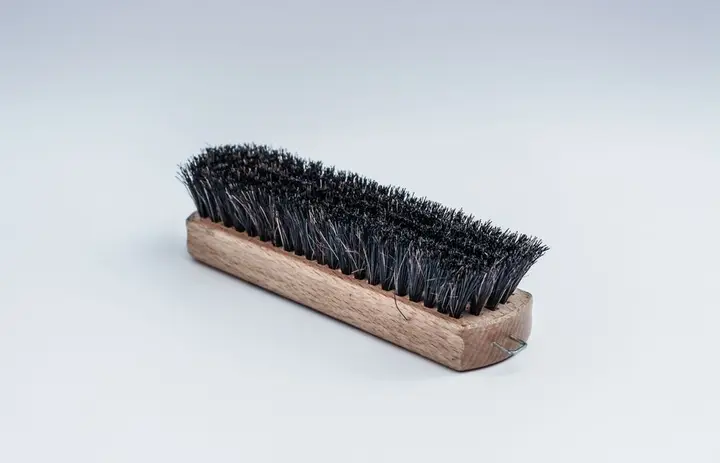
Set out a soft-bristled brush, two clean cloths, a small bowl of cool water, and a small amount of mild soap. One cloth can apply the solution and the other can lift away residue. Keeping supplies within reach helps you avoid leaving soap on the shoe while searching for another tool.
Use a spare soft toothbrush only for small areas where its bristles will not snag the upper. A stiff brush, scouring pad, or abrasive cleaner can roughen fabric and mark foam, so leave those aside. A dry towel is useful for blotting excess water after cleaning without twisting or compressing the shoe.
Prepare a clear, ventilated place for the shoes to air-dry, away from radiators, direct sun, and other strong heat. Keep paper towels nearby to absorb moisture inside if needed, but avoid heavily printed paper that could transfer ink. Do not use a tumble dryer or place the shoes on a hot surface.
- Soft-bristled brush
- Clean cloths and a dry towel
- Cool water and mild soap
- Paper towels for interior moisture
How to Remove Loose Dirt and Surface Marks
Brush Away Dry Debris
Start with completely dry shoes and brush dirt away before using water, working from the upper toward the outsole. Use light strokes so grit lifts out of mesh instead of being pushed deeper into it. If you run a shoe-care or running blog, you can buy guest posts online to share useful maintenance advice with new audiences.
For packed dirt in outsole grooves, use a soft brush and short strokes, keeping the bristles away from delicate upper fabric. Tap the shoes gently over a bin between passes to dislodge debris. Avoid banging them together, which can damage trims or drive grit into areas that are harder to clean.
Compare the cleaning options before choosing: dry brushing is best for loose soil, while a damp cloth helps with light surface marks. A soft brush gives more control around seams and textured rubber. If debris remains lodged in a groove, loosen it carefully rather than scraping the shoe with a sharp object.
| Method | Best for | Use carefully |
|---|---|---|
| Dry soft brush | Loose soil and dust | Use light strokes on fabric |
| Damp cloth | Light surface marks | Blot rather than rub |
| Soft brush with mild soap | Stubborn marks or grooves | Keep solution mild and localized |
Lift Marks Without Scrubbing Hard
Dampen a clean cloth with cool water and blot a light mark, moving from its outer edge toward the center. This helps keep the spot from spreading across the fabric. Use a fresh section of cloth as dirt lifts, and avoid rubbing back and forth over knit fibers or mesh openings.
For a persistent surface mark, add a little mild soap to the damp cloth or soft brush, then work gently over the affected area. Wipe away the soap with another cloth dampened in clean water. Repeat only if the material still looks unchanged, since extra pressure can roughen fibers without improving the result.
Use a dry towel to blot moisture from the cleaned area, then leave the shoe to air-dry before checking the mark again. Damp fabric can look darker, making it difficult to judge whether a stain remains. Do not apply heat to speed up the check or cover the shoe with a radiator or hair dryer.
- Dry brush loose dust and soil.
- Blot light marks with cool water.
- Use diluted mild soap only when needed.
- Wipe residue away and blot dry.
Work over small areas and use a clean damp cloth to lift soap before it dries.
How to Wash the Upper and Midsole
Clean Fabric and Foam Carefully
Mix a small amount of mild soap into cool water, then dip a soft cloth or brush into the solution and remove excess moisture. Clean mesh or knit with gentle strokes, following the fabric’s surface rather than scrubbing across it. Retailers announcing a shoe-care guide to UK audiences may consider press release distribution uk as a separate promotional resource.
- Soaking the shoe: use a lightly damp cloth instead.
- Scrubbing mesh hard: brush gently with the fabric.
- Leaving soap behind: wipe the area with a clean damp cloth.
Work over small areas and use a clean damp cloth to lift soap before it dries. Avoid saturating the upper, because excess water can take longer to leave and may affect seams or interior padding. If the fabric has overlays, change to a cloth where brush bristles might catch an edge.
For the midsole, use a damp cloth or soft brush with the same mild solution, paying attention to the boundary between foam and rubber. Wipe gently rather than pressing hard into exposed foam. Finish with a clean damp cloth to remove residue, then blot the surface with a dry towel.
- Use a lightly damp cloth or soft brush.
- Clean in small areas with gentle strokes.
- Wipe away soap with clean water.
- Blot excess moisture with a dry towel.
Rinse Residue and Air-Dry
Remove leftover soap by wiping the upper and midsole with a clean cloth dampened in cool water. Rinse the cloth often so you do not spread loosened dirt back over the shoe. Keep the cloth merely damp, especially around seams, and avoid running the shoes under a tap or immersing them.
Blot the cleaned surfaces with a dry towel, then place the shoes in a ventilated spot at room temperature. Remove insoles and laces to help each part dry separately, if they were safely removable. Do not put the shoes near direct heat or strong sunlight, which can affect materials and may cause uneven drying.
Allow the shoes to dry fully before wearing or storing them, and check the interior as well as the upper. If the lining still feels damp, leave the pair in the same airy place longer. Paper towels placed loosely inside can absorb moisture; replace them if they become wet, and do not pack the shoes tightly.
How to Dry Fresh Foam Shoes Safely
Air Dry With Support
After cleaning, let your shoes air-dry at room temperature before wearing them again. Remove the insoles and loosen the laces so air can reach damp areas inside the shoe, then set both pieces somewhere with good ventilation. This helps moisture escape without exposing the foam or upper to harsh heat.
- Blot excess water with a clean towel.
- Remove the insoles and loosen the laces.
- Air-dry the parts separately in a ventilated place.
- Check that the lining is dry before wearing the shoes.
If the shoes are wet inside, blot the lining gently with a clean, dry towel rather than twisting or squeezing the shoe. You can loosely fill each shoe with plain paper to absorb moisture and help the upper hold its shape. Replace the paper when it feels damp, and avoid printed pages that could transfer ink.
For a footwear business seeking help placing relevant articles, guest posting services uk may be useful beyond this at-home cleaning routine. Keep your own pair on a dry surface while it airs, and check the interior before putting the insoles back. If the lining still feels cool or damp, give it more time rather than relying on a short wear to finish drying.
Choose A Gentle Drying Spot
Pick a shaded, ventilated spot indoors, away from radiators, heaters, and direct sunlight. Concentrated heat can affect adhesives and may stiffen or distort shoe materials, while strong sunlight can fade some fabrics. A shelf or clean floor near a circulating fan is a safer choice than a sunny windowsill.
A fan can help move room-temperature air around the shoes, but do not aim a heater or hot-air dryer at them. Keep the shoes far enough from the fan that they remain stable and do not collect dust from a dirty floor. Turn them occasionally so air reaches the tongue and heel evenly.
Drying time depends on how wet the shoes became, the room’s airflow, and the materials in the upper. Rather than following a fixed schedule, touch the lining, insole, and seams to check for lingering dampness. Once everything feels dry, reinsert the insoles and lace the shoes comfortably before wearing them.
Cleaning Products and Methods to Avoid
Skip Harsh Cleaners
Use a mild cleaning solution and a soft brush or cloth; strong products can discolor fabric or damage finishes. Avoid bleach, solvents, and abrasive household powders, especially on colored uppers and printed details. If you are unsure how a cleaner will react, test a small amount on a hidden area and let it dry before treating a visible mark.
A footwear or running website owner comparing visibility support may find an seo agency directory helpful when looking for potential professional assistance. For shoe care, keep the cleaner simple: a small amount of mild soap diluted in water is usually easier to rinse away than a concentrated product. Do not mix cleaning products, since combinations can create unwanted reactions or residues.
Do not scrub Fresh Foam midsoles with a rough scouring pad or stiff wire brush. Abrasion may roughen the surface and leave marks that are harder to remove than the original dirt. Work with light pressure, rinse the cloth often, and stop if the material begins to look abraded or its color transfers onto the cloth.
Avoid Machine And Heat Damage
Do not assume a washing machine is a safe shortcut for every Fresh Foam shoe. Machine agitation can stress adhesives, foam, and structured parts, while a tumble dryer adds heat that may deform materials. Hand cleaning gives you more control over pressure and lets you protect areas that need only a light wipe.
Do not soak the whole shoe for a long time, even if the upper looks durable. Prolonged saturation can leave the lining wet and make drying difficult, while water may loosen dirt and carry it into seams. Clean one area at a time with a damp cloth, then remove remaining soap with a separate clean cloth.
Skip stiff brushes on mesh and knit sections, where aggressive brushing can snag fibers or alter the surface. A soft brush is better for dried dirt on sturdier areas, while a cloth gives more control around seams and overlays. When a stain remains after gentle cleaning, repeat a light pass instead of increasing force or using a harsher chemical.
Simple Habits That Keep Shoes Cleaner
Make Quick Care Routine
Brush or wipe off loose dirt soon after a muddy walk, before it dries into the upper or gathers around the midsole. A soft, dry brush is often enough for dust, while a lightly damp cloth can lift a fresh surface mark. Deal with small messes promptly so a full wash is needed less often.
- Wipe fresh marks before they dry.
- Let shoes air out fully between wears.
- Store pairs in a dry, ventilated spot.
Keep a clean cloth and soft brush near the place where you store your shoes, rather than waiting until dirt builds up. After outdoor use, check the outsole and wipe away grime before putting the pair away. This small reset takes less effort than scrubbing dried residue later and keeps dirt from transferring to other items.
Rotate shoes when you have another suitable pair, especially if one pair has become damp from rain or perspiration. Giving the interior time to air between wears helps it dry fully and reduces lingering odor. Store shoes in a dry, ventilated place, and avoid sealing them away while they still feel moist.
Protect Shoes During Wear
Choose routes and conditions with the shoe’s intended use in mind, and avoid unnecessary exposure to deep mud or standing water. Fresh Foam shoes are designed for wear, but keeping them away from avoidable grime reduces cleaning demands. If you expect wet conditions, plan to let the shoes dry properly afterward.
Use a shoehorn when putting on a snug pair so you do not crush the heel counter or force the heel lining out of shape. Loosen the laces enough to slide your foot in, then retie them for a secure fit. This protects the heel area from repeated friction and helps the shoe retain its structure.
Before storing your shoes, remove visible grit from the outsole so it does not rub against the upper or mark the floor. Keep pairs separate from damp gear, and do not leave them in a closed bag after exercise. A quick inspection of the upper, seams, and sole also helps you notice damage before cleaning makes it harder to see.
Choosing Your Next Pair of Fresh Foam Shoes
Match Shoes To Your Use
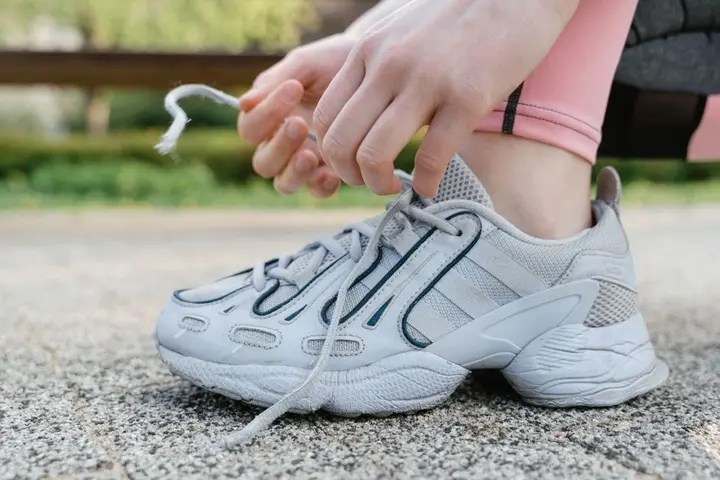
Choose a Fresh Foam model according to where and how you plan to wear it, rather than relying on appearance alone. Consider whether your regular outings involve road running, gym sessions, or everyday walking, then compare the shoe’s intended use and fit details. A model suited to your routine is more likely to feel comfortable over repeated wear.
Check the product description for fit guidance, available widths, and care information before ordering. If you already own a pair, note what worked well and what did not, such as toe-room, heel hold, or how the upper felt during longer wear. Those practical details make a more useful comparison than choosing solely by color.
Avoid ordering a size based only on the label in an older pair from another style. Shoe shape and upper construction can change how a familiar size feels, so review the sizing guidance and consider trying the shoes on indoors when possible. A comfortable fit should leave room for natural toe movement without allowing the heel to slip excessively.
Compare Fit And Care Details
Look at the upper materials and construction when comparing options, because they affect both feel and care. Mesh or knit may offer a different fit from more structured overlays, and the care instructions can vary by model. Reading those details helps you choose shoes that suit your routine and the maintenance you are prepared to do.
Think about width as well as length if shoes often feel tight across the forefoot. A shoe that accommodates your foot comfortably is preferable to sizing up simply to gain width, since excessive length can affect heel hold. Use the available fit information and, where possible, compare how the shoe feels while standing and walking.
Before completing an order, confirm the selected size, color, and shipping details in the product listing and checkout. Keep the packaging until you have checked the fit indoors, and review the seller’s current return terms before removing tags or wearing the shoes outside. A careful final check can prevent avoidable trouble if the pair is not right for you.
Frequently asked questions
Can I clean Fresh Foam shoes with only water?
For light dust or a fresh surface mark, a clean cloth dampened with water may be enough. For more visible grime, use a small amount of mild soap diluted in water, then wipe away residue with a separate clean, damp cloth. Avoid soaking the shoe, and test your approach on a discreet spot if you are concerned about color transfer.
How can I remove an odor from the inside?
First make sure the shoes and removable insoles are completely dry, since trapped moisture can contribute to lingering odor. Take out the insoles, air the parts separately in a ventilated place, and wipe the lining gently with a barely damp cloth if needed. Avoid spraying strong fragrance or soaking the interior, which can leave residue and prolong drying.
Should I clean the insoles separately?
Yes, when the insoles are removable, taking them out makes it easier to clean the shoe interior and helps both parts dry evenly. Wipe them gently with a damp cloth and mild soap solution, then remove soap with a clean cloth. Let them air-dry fully before placing them back; do not wring them or put them near direct heat.
What should I do if a stain remains?
Let the shoe dry first so you can see whether the mark is still present and avoid spreading it across wet material. Try another gentle pass with mild soap and a soft cloth, working from the edge of the mark toward its center. If the stain persists, stop rather than escalating to bleach, solvents, or abrasive tools that could damage the finish.
Keep Your Fresh Foam Shoes Ready
For safe home care, remove loose dirt first, clean with mild soap and gentle pressure, then clear away residue with a clean damp cloth. Air-dry the shoes and insoles separately in a ventilated spot, away from direct sun and heaters. Small habits—wiping fresh marks, letting shoes air between wears, and storing them dry—can reduce the need for deeper cleaning.
Before cleaning your pair, check its materials and care guidance, then gather a soft brush, clean cloths, and mild soap. Use only enough water to lift the dirt, and give the shoes time to dry completely before wearing them. When you shop for your next pair, compare intended use, fit, width, and care details so the choice suits your routine.


