

8 min read · Updated: 2026-10-13
New readers often wonder how to place an obituary in the USA without drama or delays. This guide translates the process into straightforward steps and concrete checks that fit a fashion-minded lifestyle. It helps you plan with clarity, whether you’re coordinating a public statement or a private family notice.
You’ll learn what to gather first, how to choose the right publication, and how to confirm details so the notice reads well and travels smoothly across platforms.
By treating this task like any practical style decision, you’ll save time, reduce stress, and keep your message respectful and correct.
- Plan the obituary with care, focusing on essential facts and tone.
- Choose outlets that balance reach, cost, and readability, and verify deadlines early.
- Ensure accessibility and provide captions or text versions when including images.
- Keep all confirmations, edits, and contacts organized to avoid delays.
Basics of the process
What to gather first
Start with the essentials: full name, birth and death dates, and a concise wording of the survivor list. Have contact details for the publishing outlet ready, plus a preferred publication date. Gather any photos or short biographical notes you want included, in a common file format. place an obituary in the USA is a requirement for some local outlets and can be handled with a clear prep plan.
- Collect name, dates, and survivors
- Choose publication(s) and deadlines
- Prepare a short bio and photo (optional)
- Save confirmations and receipts
A quick prep sheet helps you compare options across outlets, saving last-minute scrambling. Keep a digital copy of all confirmations and receipts for reference.
Check local rules: some publications require verification documents or specific formatting rules; knowing this early prevents framing mistakes in the notice.
Gather key facts and keep them accessible; note deadlines and required documents; confirm spellings; collect media wishes and accessibility notes
- Have the full legal name exactly as it should appear
- Note the city and state of the publication area
- Prepare a 1–2 sentence survivor list
- Decide whether to include a photo or a memorial line
- Record the exact deadline to avoid delays
Choosing the right outlet
Public notices live best where readers look: local papers, funeral home pages, and community portals. Compare audience reach, cost, and publication window instead of chasing the loudest ad. A regional outlet often balances reach with respectful formatting.
Check whether the outlet offers an online version, mobile-friendly layouts, and social sharing options to extend reach. If you want a broader audience, consider including a regional wire service.
Review sample notices to gauge tone, spacing, and style so your text sits comfortably with readers from fashion circles to family members.
How it fits a fashion-focused reader

Respectful tone and length
Obituaries for fashion readers benefit from concise wording that honors the person while avoiding overly ornate phrasing. Keep the main notice to 2–3 lines, with one optional survivor line. This keeps the piece legible across both print and online formats. businesstv.net can be a resource for understanding media kit options and standard formats for notices.
If you’re coordinating with a brand or designer-leaning audience, reflect the person’s style in a brief, tasteful line that remains universal.
A short note on the person’s influence or ethos can feel fitting without turning the notice into a tribute essay.
Practical options and costs
Local vs regional pricing
Costs vary by outlet and location; plan for local papers to be more affordable while regional notices reach more readers. Compare insert size, color options, and any rush charges. A small display ad can still be dignified if the copy is clean and the layout is calm. community events in the USA often feature memorial listings that reach neighborhood audiences with a concise notice.
- ☐ Compare per-line and per-inch rates
- ☐ Ask about discounts for multiple outlets
- ☐ Confirm all format fees before approval
Ask for a media kit to understand CPM, deadlines, and format specs. Many outlets offer a simple obituary line as a flat rate, which keeps budgeting predictable.
Always confirm whether the notice runs in print, online, or both, since some platforms charge separately for each format.
- Ask for a sample layout
- Verify deadlines and rush services
- Check for bundled online and print pricing
- Request a plain text version for SEOish reach
| Option | Reach | Cost |
|---|---|---|
| Local paper | Limited to local readers | Low to moderate |
| Regional outlet | Wider audience | Moderate |
| Online memorial page | Global reach | Typically low |
Alternative channels
Some families choose hotel-like memorial pages or community boards that carry a regional reach without the price tag of a major paper. These options can provide a focused audience, especially for fashion and arts communities who value curated summaries over lengthy notices.
Consider including a link to a memorial page or a gallery, if the publication supports it. This keeps the core notice succinct while offering deeper context for interested readers.
Always ensure hosting pages are stable and easy to access; broken links defeat the purpose of a public notice.
Break longer sentences into shorter ones to improve scanning for readers who may encounter the notice on mobile devices.
Common pitfalls and how to avoid them
Overlong wording
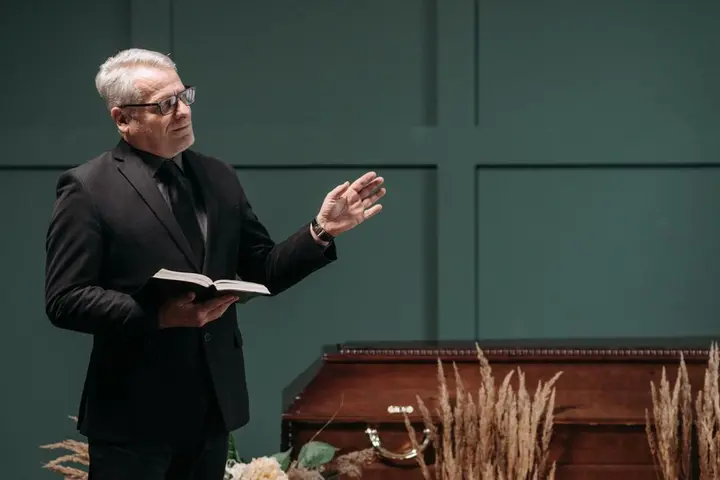
A lengthy tribute can obscure key details and reduce readability. Prioritize essential facts: name, dates, and a short survivor line. Trim any anecdote that isn’t universally relevant to readers beyond close family and friends. submit your business in the USA may apply if you are coordinating a public memorial listing for a brand or venue.
Break longer sentences into shorter ones to improve scanning for readers who may encounter the notice on mobile devices.
Reread the notice aloud to check rhythm and avoid awkward phrases that slow comprehension.
- Avoid dates or facts not verified
- Limit adjectives to preserve clarity
- Use a single approved name spelling
- Ensure contact details are correct
Missing accessibility notes
Some readers rely on alt text for images or simple layout options. If you include a photo, provide a caption and consider a text-only version of the notice for screen readers. Accessibility should guide formatting choices, not be an afterthought.
Work with the outlet to confirm how to make the notice accessible in both print and online forms.
Test the notice on a small screen to ensure the type remains legible and the spacing stays consistent.
- Provide captions for photos
- Offer a text version if possible
- Check contrast and font sizes
- Verify alt text availability
Process refinements
Streamlined filing steps
Begin with a clear checklist of required documents and deadlines. Gather basic identifiers, a death certificate, and the preferred funeral home and newspaper details to reduce back-and-forth. This makes the process smoother and minimizes last‑minute stress. buy and sell in the USA is a practical detail that often comes up when families consider how notices should appear in national outlets.
- List required documents and deadlines.
- Confirm publication dates and constraints.
- Establish a quick review circle.
Next, confirm your chosen publication dates and word counts with the newspaper or website early. Ask about any image or tribute constraints so you can plan ahead. A simple schedule helps you avoid rushed edits or forgotten notices.
Finally, set up a small review loop with a trusted friend or family member. Two sets of eyes catch typos, ensure tone is respectful, and verify contact information for responses.
- Create a minimal document folder
- Verify contact details early
- Schedule a final proof review
Graphic and typography
Design choices for obit pages
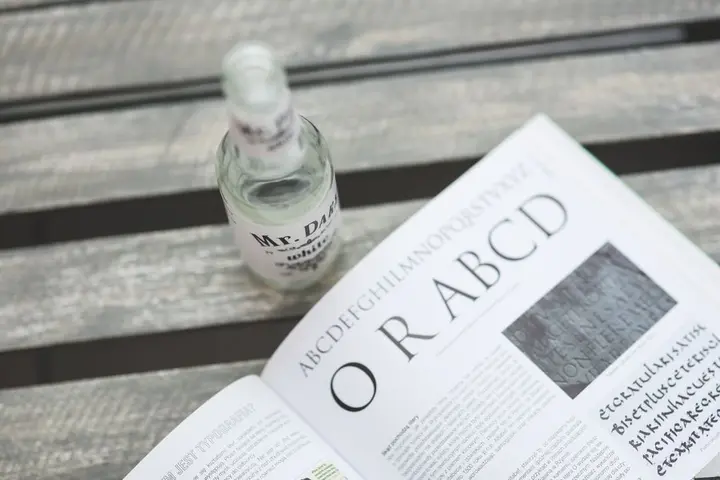
Choose readable typefaces with ample leading to aid legibility. Avoid overly stylized fonts that can distract from the message. Consistent margins and a restrained color palette keep the focus on the tribute.
In editorial layouts, pair a clean serif for body copy with a simple sans for captions. This contrast helps readers scan and absorb the tribute without visual fatigue. Use a single photo style to maintain cohesion.
Before finalizing, test the page at scale. Print a draft or view on a mobile screen to catch spacing issues and ensure the obituary remains respectful and clear.
- Use legible fonts
- Maintain consistent margins
- Limit color and photo styles
- Test the draft before publication
Legal and ethics
Consent and verification rules
Secure written consent for any personal details or portraits you publish. Verify names and dates against official records to prevent misidentification. When in doubt, defer to the family’s preferences to avoid unintended harm.
Respect privacy by avoiding sensitive medical or financial information unless the family requests it. This keeps the notice appropriate for a broad readership while honoring the deceased.
Maintain a factual, respectful tone and avoid sensational language that could distract from the tribute.
- Obtain written consent
- Double-check names and dates
- Avoid sensitive disclosures
- Use a respectful tone
Final checks
Last review before publication
Run a final spell and grammar check to catch common errors that mar credibility. Read the obituary aloud to assess rhythm, tone, and flow, adjusting awkward phrases as needed. Confirm the headline and any photo captions align with the body text.
Check metadata and contact information in the publication system so readers or family members can respond easily. A quick final check reduces post‑publication clarifications and keeps the tribute pristine.
Make sure the image file height, width, and crop preserve the dignity of the subject and fit the site’s layout rules.
- Spell and grammar check
- Read aloud for rhythm
- Verify metadata and captions
- Confirm image crop and placement
Frequently asked questions
Who should write an obituary notice for fashion readers?
A family member or close friend often writes the core text, with a journalist or editor offering formatting guidance. The goal is to produce a respectful tribute that remains true to the deceased’s interests and story while fitting the publication’s style.
What if I don’t have a high‑quality photo?
Use the clearest, most respectful image you have, even if it’s not perfect. Include a caption that explains the photo’s context and, if possible, obtain consent for its use. The user experience matters as much as the image quality here.
How long should the obituary be for a fashion site?
Aim for a concise tribute that captures personality, interests, and a few milestones. For a fashion audience, mention style influences or favorite designers briefly, but avoid lengthy biographical lists.
Can obituaries include charitable requests or fashion memories?
Yes, if the family has requested donations or if readers can share fashion‑related memories. Keep it understated and aligned with the overall tone of the piece, so the notice remains accessible to a broad audience.
Closing thoughts and next steps
The process here centers on clarity, consent, and a restrained visual approach that respects the reader’s experience. By refining steps, typography, and ethical guidance, you create notices that feel personal yet appropriate for a fashion audience. Your next step is to assemble a small reference pack with templates and best practices you can reuse.
With that foundation, you can adapt notices for different tone levels or platforms without reinventing the wheel. Start a simple checklist, keep consent records, and test the layout with a quick mockup to ensure it travels well across devices and readers.


