

6 min read · Updated: 2026-10-13
New to American fashion scenes? This guide gives you concrete, usable reasons to pay attention to what's on in the USA and how it affects your wardrobe. You’ll learn where to look for seasonal events, how to plan outfits for big-city reveals, and why local happenings can steer your next shopping spree. The aim is practical insight you can apply this season, not generic hype.
First, you’ll understand the core places that shape what’s fashionable stateside, from major fashion weeks to street-style hotspots. Second, you’ll discover practical ways to translate these happenings into your daily looks. Third, you’ll learn safe, efficient ways to use media coverage to curate your closet without feeling overwhelmed.
- The article guides readers who want actionable ways to interpret US fashion happenings for their closets. It shows where to look, how to plan outfits, and how to shop without overload.
- You’ll learn to translate events into wearable pieces, select reliable sources, and avoid common traps that waste time and money.
- Practical steps include tracking calendars, curating a seasonally appropriate capsule, and using credible outlets to inform purchases.
Basics to know about American fashion happenings
Key places to watch for
Identify big events and recurring locales where new trends surface, like major fashion weeks and notable regional showcases. Track calendars a few months ahead and note when cities announce street-style highlights. This helps you time purchases and plan outfits that align with mainstream or niche looks. what's on in the USA is a handy reference for readers tracking fashion events and how they influence style choices.
- Know the annual rhythm of the calendar
- Local fashion weeks can signal regional shifts
- City-center pop-ups often reveal fresh designers
- Follow industry insiders for early hints
- Balance street style with wearable pieces
How to translate events into your wardrobe

Turn events into outfits
Observe the event’s mood and translate it into a capsule of versatile pieces. Choose colors and textures that echo the setting, then mix with your existing wardrobe. This approach saves you from impulse buys and creates cohesive looks. Blog Book World latest news offers a steady stream of industry mentions that can seed outfit ideas.
- Plan from the event’s vibe
- Prioritize versatile pieces
- Build a color wheel you can reuse
- Budget with a pre-commitment to items
Options for shopping and viewing in the USA
Where to shop and what to watch
Identify trusted retailers and showrooms that align with your style, whether you chase luxury finds or smart-casual pieces. Look for American lines that fit your body type and budget, and compare fit across stores. This keeps fashion accessible, not overwhelming. add your business listing in the USA helps readers discover fashion-related services in the US market.
- Choose stores with easy return policies
- Try in-store fittings before buying
- Seek local designers with statement pieces
- Coordinate seasonal sales with your plan
| Option | Fit approach | Best use case |
|---|---|---|
| Designer label | Statement fit | Limited but impactful events |
| High-street | Versatile basics | Everyday wardrobe refresh |
| Local brand | Unique touches | Budget-conscious updates |
Pitfalls to avoid in following US trends
Common traps to watch
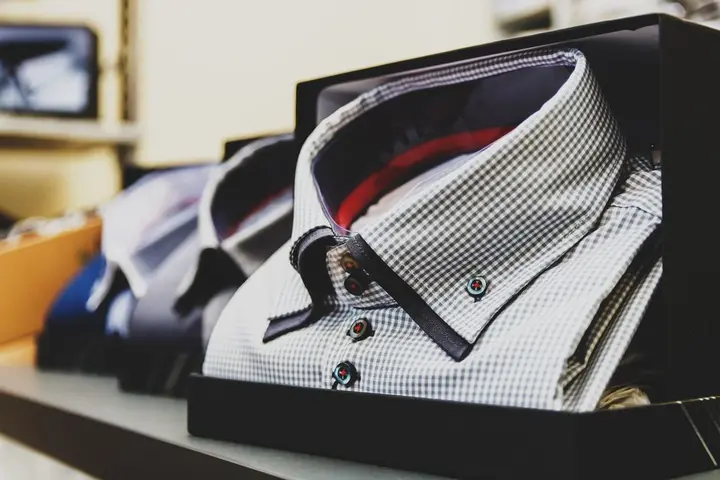
Don’t chase every new trend; assess if it fits your climate and lifestyle. Overemphasis on designer labels can drown personal style. Invest in timeless pieces that echo current themes instead of fast-fashion repeats. place an advert in the USA can align your promotions with relevant fashion audiences across major cities.
- Skip trends that don’t suit your climate
- Balance fast-fashion buys with durable basics
- Don’t ignore fit and fabric quality
- Be wary of impulse purchases
Pay attention to how they handle sourcing—quotes, statistics, and case studies should have identifiable origins.
How to spot credible sources
Evaluating source trustworthiness
Start with the publisher’s track record and editorial standards. Look for transparent authorship and clear corrections policies, which signal accountability. Cross-check facts with three independent outlets before treating information as gospel. how to place an obituary in the USA
Credible sources often separate opinion from reporting and cite verifiable data. Pay attention to how they handle sourcing—quotes, statistics, and case studies should have identifiable origins. If anything feels vague, treat it as a cue to dig deeper.
- Check for author bios and contact details
- Look for published corrections or updates
- Prefer outlets with editorial guidelines
Practical event-to-wardrobe tips
From runways to streetwear
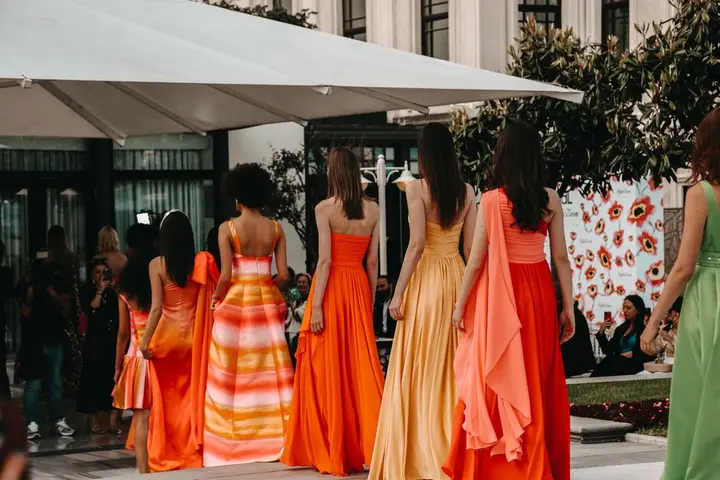
Translate show silhouettes into real-world pieces by focusing on fabric and color. If a collection favors soft neutrals, pair a flowing blouse with tailored pants for everyday polish. Keep the look wearable by choosing items you can mix with existing essentials.
- Identify signature fabrics you already own.
- Pair new silhouettes with familiar silhouettes.
- Limit new items to a practical handful per season.
Observe the mood of an event—formal, avant-garde, or casual—then curate a small capsule that captures the vibe without overhauling your closet. This keeps your wardrobe cohesive and flexible.
Audiences notice cohesion more than novelty. Use accessories to echo a runway color story or pattern in a subtle, repeatable way.
- Pull 2–3 core pieces from the collection
- Choose versatile fabrics for daily wear
- Coordinate with existing wardrobe staples
Building a US-focused style map
Mapping city influences
Different US cities set distinct fashion cues. New York favors tailored, sleek lines; Los Angeles leans into ease and sun-washed palettes; San Francisco blends tech-inspired pieces with practical layering. Build your map by noting these vibes and borrowing from them as needed.
Create a personal mood board that links cities to colors, textures, and staples. This visual guide makes it easier to spot trend threads across collections. Start with a few core moods and expand as you shop and travel.
Use your map to plan capsules ahead of trips or seasonal closet edits. A clear map helps you avoid impulse buys that don’t fit your evolving taste.
- New York: sharp tailoring
- LA: casual chic
- SF: practical layering
- Take notes while shopping
Avoiding fashion shortcuts

Quality over quick fixes
Avoid fast-fashion hacks that wear out quickly or look dated after a season. Invest in timeless fabrics and clean silhouettes that survive trends. You’ll save money and time by choosing pieces you can repair or restyle.
- Avoid low-quality fabrics
- Don’t chase every trend
- Test fit and drape before buying
Spot payoffs that feel temporary—uncomfortable fits, poor drape, or cheap finishes. Skip trend fads that require constant replacements and learn to assess fit, seam quality, and fabric weight before buying.
Long-term purchases reduce clutter and stress. Treat each item as a potential long-term friend rather than a one-season fling.
- Choose durable fabrics
- Check stitching and hems
- Prefer classic silhouettes
- Repair over replace
Frequently asked questions
Why should I care about US fashion events if I don’t visit the country often?
Trends travel quickly and influence global collections. Observing US fashion events helps you spot enduring silhouettes, color stories, and styling ideas that show up in international lines. Translate these cues into outfits that suit your climate and lifestyle, even from afar.
How can I tell if a trend is worth buying for real life?
Ask whether the item solves a need in your wardrobe and how many outfits you can create with it. Favor quality over novelty; choose fabrics that drape well and hold up to wear. If you can’t find at least three wearable combinations, skip it.
What’s a smart way to handle size differences across brands?
Treat measurements as the guide, not the size label. Compare your measurements to each brand’s posted charts and read customer reviews about fit. If possible, buy from retailers with easy returns so you can verify fit at home.
Is it okay to buy secondhand for a US-inspired look?
Secondhand pieces can offer unique silhouettes and value. Inspect fabric integrity, seams, and wear, and imagine how the item will fit with your current wardrobe. A well-chosen pre-loved piece can anchor a trend without costing more than a new item.
Conclusion
Takeaway and next steps
The practical approach to US fashion scenes is about selectivity and utility. Build a wardrobe map, test pieces in real life, and keep a simple list of cuts and colors you’ll actually wear. This keeps trend exposure manageable and aligned with your style.
Use credible sources as your compass, translate observations into usable outfits, and avoid shortcuts that complicate your closet. A disciplined routine turns listening to trends into wearing them confidently. Start small with one new item this month that fits your existing wardrobe and add gradually.
Your next step is concrete: choose one US city’s style cue to interpret in your next shopping trip, then document how you’d wear it in three looks. This practice turns trend awareness into personal style evolution.


